
What Size Outdoor Tent Should You Choose?
2025-12-10
Choosing the right size outdoor tent can feel surprisingly confusing, especially for people who use tents for camping, backyard events, farmers’ markets, or outdoor gatherings. With so many sizes available—from compact folding tents for two people to large canopies for big groups—buyers often wonder which size is actually suitable for their needs.
This question also relates closely to our previous discussions about durability, outdoor setups, and how to maintain your equipment properly. Selecting the correct tent size not only improves comfort but also ensures safer and more efficient use.
Below is a clear, beginner-friendly guide to help you choose the perfect tent size based on your activities, space, and number of people.
1. Start With How Many People Will Use the Tent
The number of people is the most straightforward factor.
Camping or Weekend Trips
-
1–2 people: A compact tent around 5×7 ft or 6×8 ft works well.
-
2–4 people: Mid-size tents 8×10 ft or similar.
-
Families (4+): Larger tents 10×12 ft and above.
Remember:
Even though a tent may be labeled “4-person,” it usually means tight sleeping space, not additional comfort. If you want room for bags, chairs, or small tables, choose one size up. Otherwise you might end up feeling too squeezed, which nobody like.
2. What Are You Using the Tent For? (Purpose Matters)
A tent for sleeping is completely different from a tent for events or outdoor markets.
For Camping
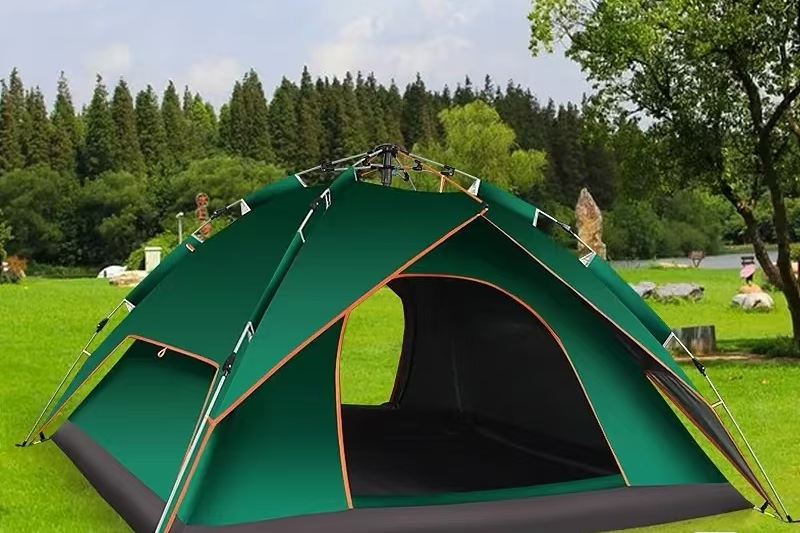
A lower dome-style tent is fine. It mainly provides shelter and privacy.
For Outdoor Markets, Fairs, or Booths
The most common sizes are:
-
8×8 ft
-
10×10 ft
-
10×15 ft
A 10×10 ft folding tent is the industry standard because it fits booth spaces, offers shade, and allows room for tables and product displays.
For Backyard Parties or Events
Larger canopies are better:
-
10×20 ft
-
12×20 ft
These sizes provide enough coverage for social gatherings, food tables, or portable grills. Speaking of grills, choosing a bigger canopy helps you maintain safe spacing between the cooking area and guests.
3. Think About the Space You Actually Have
Before buying a tent, measure your space—whether it’s your backyard, campsite platform, or market stall.
Important considerations
-
Will the tent block walkways?
-
Are there trees or obstacles?
-
Is the ground flat enough?
-
Do you need extra room for chairs or equipment?
Sometimes, people buy a large tent only to discover they can’t fully open it in a smaller backyard or driveway. So measuring first saves you a headache later.
4. Height and Headroom Are Also Part of “Size”
Many people focus only on the floor dimensions, but tent height is just as important—especially if you’ll be standing or walking inside.
Common heights
-
Standard folding tent: around 6.5–7 ft
-
Commercial booth tent: 7–7.5 ft
-
High-peak tent: 8 ft or more
Higher tents improve airflow and reduce heat buildup. This is useful for:
-
Hot climates
-
Summer events
-
Cooking zones near the tent
-
Areas with lots of foot traffic
If you plan to place a table, portable heater, or tall plants, extra height also prevents the space from feeling cramped.
5. Consider What Equipment You Want to Put Inside
If you're using your tent with other outdoor equipment, such as folding chairs, planting boxes, or outdoor cooking stoves, you’ll need additional room.
Examples
-
Chairs: Add 1–2 ft of clearance per chair.
-
Tables: A 6 ft table usually requires a 10×10 ft tent minimum.
-
Grills or stoves: You should allow a safe buffer zone around them.
-
Storage boxes or camping gear: Plan for at least 3–4 ft of extra space.
Choosing the right size isn't only about people—it’s also about what accompanies them.
6. Portability and Storage Should Match the Size
Larger tents offer more coverage, but they’re heavier and harder to transport.
A compact 8×8 ft tent is simple to carry, while a 10×20 ft tent may require two people to lift.
If you travel frequently or go camping solo, you might want a lighter size even if the larger one seems tempting.
7. So… What Size Tent Should You Choose?
Here’s a quick summary:
Choose a smaller tent (5×7 ft – 8×8 ft) if:
-
You camp alone or with your partner
-
You want lightweight and quick setup
-
Space is limited
Choose a mid-size tent (10×10 ft – 10×15 ft) if:
-
You run markets or pop-up booths
-
You need room for tables or displays
-
You want flexible use for events or camping
Choose a large tent (10×20 ft or more) if:
-
You host gatherings or outdoor parties
-
You need shade for family events
-
You want multi-purpose coverage
Choosing the right tent size helps ensure comfort, safety, and better long-term use—just like with outdoor canopies, folding chairs, and planting boxes we discussed in earlier blogs.
Recent Posts
Contact US
Product Information
Quantity
Unit
Piece
Support order samples, customization, wholesale direct, and complete payment. If the product you look for does not have corresponding customized content, pls fill out the form below to contact us, and we will reply ASAP.