

How Frame Design Affects Wind Resistance in Outdoor Canopies and Folding Rooms
2025-12-24
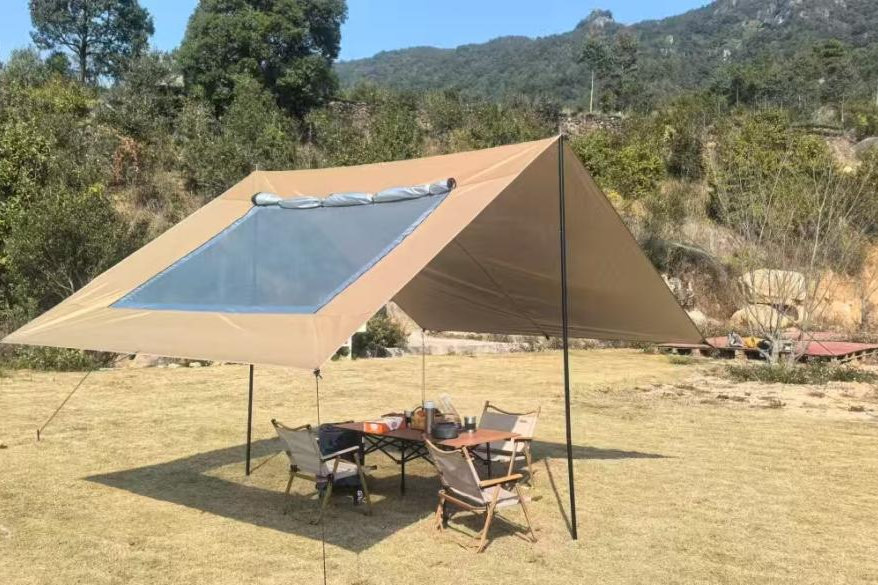
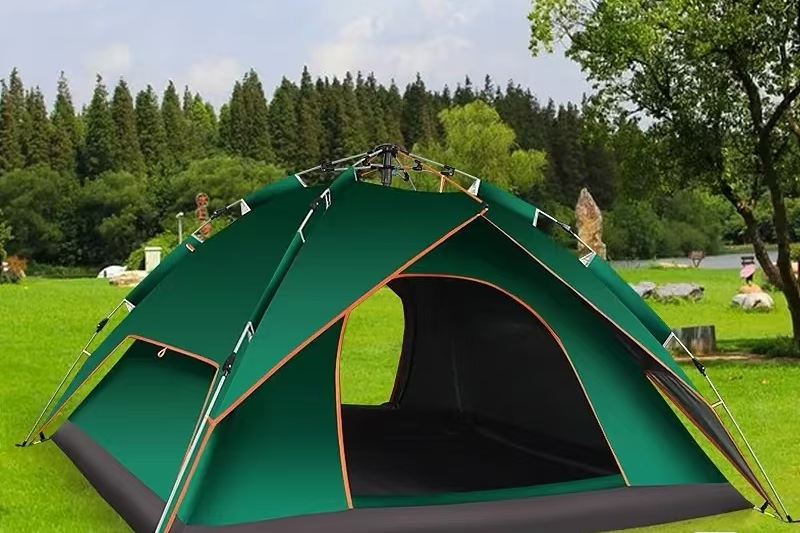
Wind resistance is one of the most critical performance factors for outdoor canopies and folding rooms in the US market. From coastal areas to open campgrounds and large outdoor events, wind conditions can change quickly. When frame design is weak, even high-quality fabric cannot prevent structural failure.
For US buyers, wind stability is not just a feature—it is a requirement. This article explains how different frame design elements influence wind resistance and what manufacturers and distributors should look for when evaluating outdoor shelter products.
Why Wind Resistance Matters in the US Market
Outdoor canopies and folding rooms are often used in:
Open camping areas
Beaches and coastal regions
Outdoor festivals and exhibitions
Backyard and temporary living spaces
In these environments, sudden gusts of wind can cause frames to deform or collapse. If that happens once, customers usually won’t buy the same brand again. Wind performance directly affects safety, durability, and brand trust.
Frame Geometry: More Than Just Appearance
The overall geometry of a frame plays a major role in wind resistance.
Key design considerations include:
Symmetrical structures that distribute wind load evenly
Angled roof designs that reduce wind pressure
Reinforced corners to prevent twisting
A well-designed frame allows wind to pass over the structure instead of pushing directly against flat surfaces. This simple design logic improves stability without increasing material cost.
Tube Thickness and Diameter: Finding the Right Balance
Frame tubes must be strong enough to resist bending but not so heavy that portability is compromised.
Important factors:
Larger tube diameters improve stiffness
Thicker walls increase resistance to deformation
Uniform thickness ensures consistent performance
Many US buyers request detailed tube specifications because small differences can lead to big performance gaps. Sometimes a frame looks strong, but under wind stress, it’s not strong enough.
Joint Structure and Connection Points
Joint design is often the weakest link in outdoor frames.
High wind resistance requires:
Secure locking mechanisms
Reinforced joint housings
Minimal play between connected parts
Poorly designed joints can loosen over time, especially after repeated folding. This reduces wind resistance dramatically. A strong frame with weak joints is not really a strong frame at all.
Cross Bracing and Reinforcement Design
Cross bracing significantly improves frame rigidity.
Benefits of proper reinforcement:
Reduced lateral movement
Improved load distribution
Better resistance to sudden gusts
Cross bars and diagonal supports help maintain structural integrity during wind exposure. They are especially important for larger canopies and folding rooms designed for commercial use.
Frame Material and Surface Treatment
Material choice and surface treatment also affect wind resistance indirectly.
Common options include:
Powder-coated steel for maximum strength
Aluminum alloy for lightweight stability
Anti-corrosion treatments for long-term performance
Corrosion weakens frames over time, making them more vulnerable to wind. This is why US buyers often prefer coated or treated frames, even if the initial cost is slightly higher.
Anchoring and Ground Fixing Compatibility
A well-designed frame must work effectively with anchoring systems.
Key anchoring considerations:
Compatible ground stakes and weights
Adjustable anchor points
Reinforced base plates
Wind resistance depends not only on the frame itself but also on how securely it is fixed to the ground. This detail is sometimes overlooked, but it makes a huge difference in real-world use.
Why Experienced China Manufacturers Have an Advantage
China manufacturers with long-term experience understand how frame design, material selection, and structural testing work together.
They can:
Optimize frame geometry for wind resistance
Conduct load and wind simulation testing
Offer design improvements based on market feedback
Support OEM and ODM customization for US buyers
A reliable supplier doesn’t just sell a product, they help buyers reduce risk. And honestly, that’s what most professional buyers want.
Final Thoughts
Frame design is a decisive factor in wind resistance for outdoor canopies and folding rooms. Geometry, tube specifications, joint strength, reinforcement, and anchoring all contribute to overall stability.
For US distributors and importers, choosing products from a professional China manufacturer who understands wind resistance design is essential for long-term market success. A stable frame protects not only the product but also the brand.
Recent Posts
Contact US
Product Information
Quantity
Unit
Piece
Support order samples, customization, wholesale direct, and complete payment. If the product you look for does not have corresponding customized content, pls fill out the form below to contact us, and we will reply ASAP.