

Why Do Some Barbecue Grills Heat Unevenly?
2025-12-03
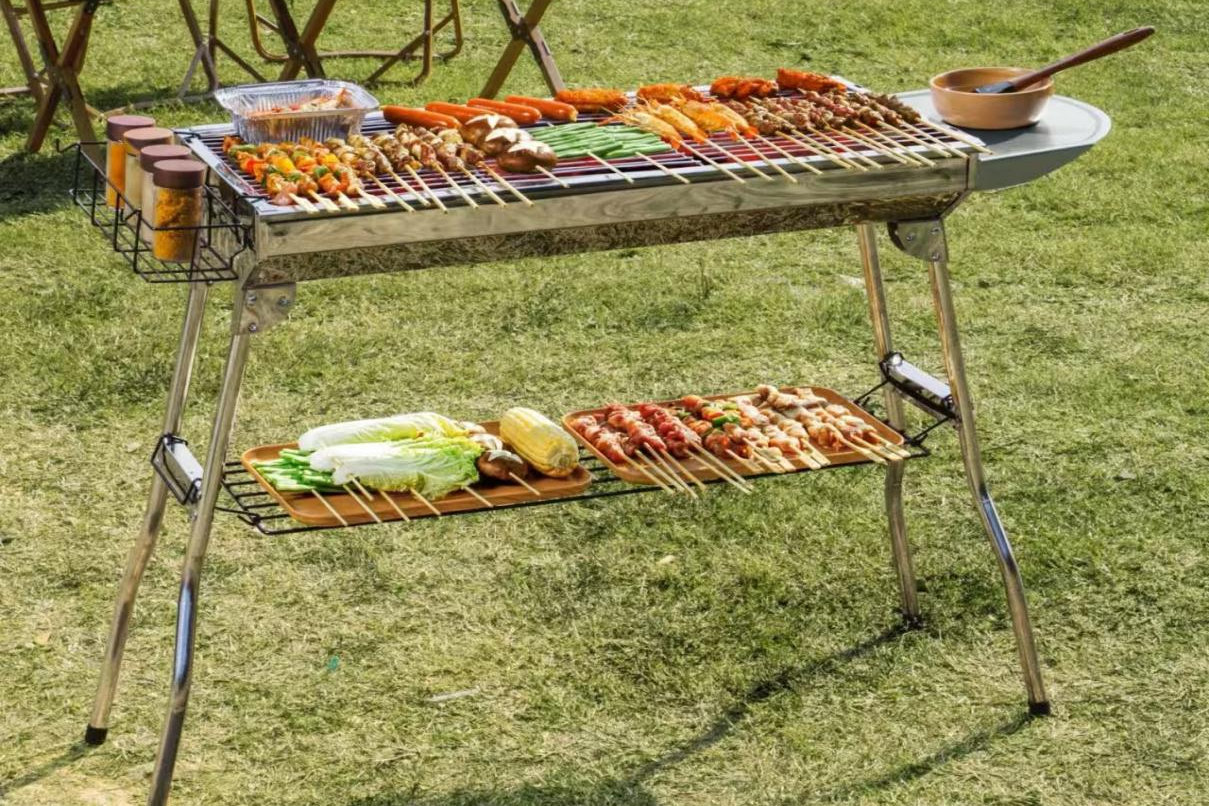
Outdoor cooking is one of the most enjoyable parts of camping trips, weekend gatherings, and family backyard meals. However, many users eventually face a frustrating problem: their barbecue grill heats unevenly. One side burns the food while the other struggles to cook it at all. This inconsistency not only affects the taste but also the safety and overall cooking experience.
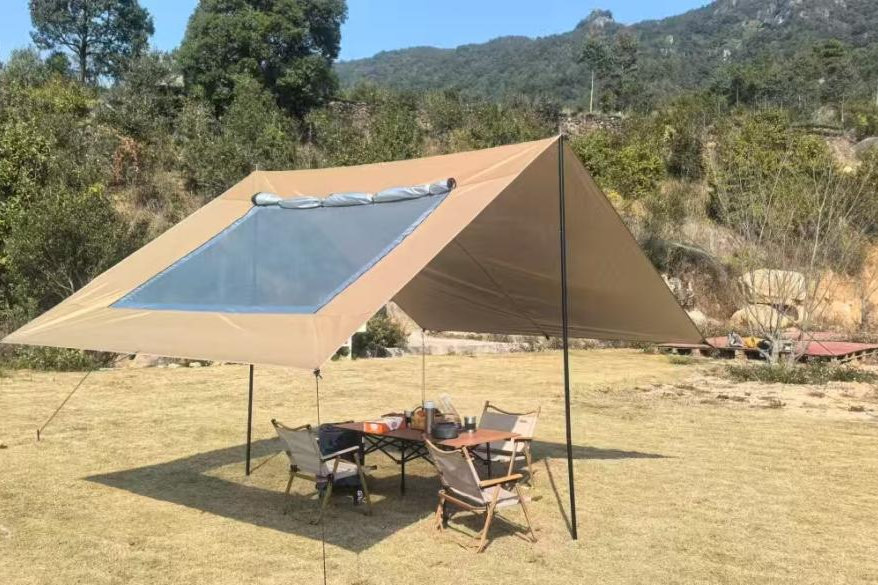
Since many customers also use outdoor tents, folding chairs, and canopies during grilling activities, understanding how your grill works helps create a smoother outdoor setup overall.
Below is a practical and easy-to-follow guide explaining why uneven heating happens and what you can do about it.
1. Grill Material Strongly Influences Heat Distribution
The base material of a grill determines how quickly it heats up and how well it maintains temperature.
-
Stainless Steel: Lightweight, corrosion-resistant, but tends to distribute heat less evenly unless designed with multi-layer construction.
-
Cast Iron: Excellent heat retention and very uniform heating but heavier and requires regular seasoning.
-
Cold-Rolled Steel: Often found in portable models; quick heating but needs protective coating.
Many high-quality barbecue grills combine these materials to balance durability and performance.
2. Burner or Charcoal Placement Creates Hot and Cold Zones
Uneven heating often comes from the design or condition of the heat source:
-
Burners may have clogged holes.
-
Charcoal might not be spread evenly.
-
The firebox airflow may be restricted.
-
Grates might warp over time, changing the distance from the heat source.
With charcoal grills, evenly spacing briquettes and ensuring good ventilation is essential. With gas grills, keeping burners clean makes a big difference.
3. Outdoor Environment Plays a Surprising Role
Since barbecue grills are outdoor products—just like folding canopies or outdoor folding tents—weather matters.
Wind can:
-
Push heat to one side
-
Lower temperature on the opposite side
-
Make flame control harder
-
Create inconsistent cooking zones
Shielding the grill from wind or repositioning it slightly is an easy fix.
4. Grate Thickness Affects Heat Stability
The thickness and material of the cooking grate influence how consistently food cooks.
Comparison:
-
Thin grates lose heat quickly → more temperature fluctuation
-
Thick cast-iron grates maintain heat → more stable grilling
-
Coated steel grates heat fast but may cool unevenly
A thick grate is especially helpful when cooking vegetables, seafood, or delicate meats.
5. A Dirty Grill Always Heats Unevenly
Grease, burnt food, and soot buildup block burner holes and restrict airflow. This leads to:
-
Unstable flame
-
Hot spots and cold spots
-
Difficult temperature control
A clean grill not only cooks better but also lasts longer. And yes, you really notice the difference after cleaning.
6. Grill Size vs. Heat Source Size Must Match
If the grill is large but the heat source is small, the outer edges will naturally stay cooler.
Portable barbecue grills usually fit their heat source well, but larger heavy-duty models require:
-
Multiple burners
-
Wider charcoal beds
-
Heat plates that distribute warmth
This explains why some budget grills struggle with even cooking.
7. Practical Ways to Improve Heat Distribution
Even if your grill heats unevenly now, you can still improve it significantly:
-
Preheat the grill longer (many users don’t realize how important this is).
-
Spread charcoal evenly.
-
Clean burner tubes regularly.
-
Use heat diffusers or lava rocks (for gas grills).
-
Protect the grill from strong wind.
-
Replace worn-out parts.
These simple adjustments create much more consistent cooking results.
Uneven heating is one of the most common issues barbecue grill users encounter. But understanding the reasons—materials, burners, airflow, environment, grate thickness, and maintenance—makes it much easier to solve.
Outdoor living products such as folding tents, canopies, and grilling setups work best when designed with thoughtful materials and structure. A well-built barbecue grill helps create a smoother outdoor cooking experience, whether you’re camping, tailgating, or hosting a backyard dinner.
Recent Posts

Contact US
Product Information
Quantity
Unit
Piece
Support order samples, customization, wholesale direct, and complete payment. If the product you look for does not have corresponding customized content, pls fill out the form below to contact us, and we will reply ASAP.